
01
VERIFY WITH CONFIDENCE
Verify with Confidence
Validate faster. Decide with confidence.
Unify models, analysis, tests, and runtime evidence in one traceable validation loop
LIFECYCLER&D DesignEngineering Release

YUANSUAN | ENGINEERING AI SOLUTIONS
Turn one costly, repeatable, measurable problem into a bounded task that can run, produce evidence, and pass reviewProve value in one pilot, then scale only when the evidence supports it
Apply Engineering AI where design, validation, operations, and decisions matter most
VERIFY WITH CONFIDENCE
Validate faster. Decide with confidence.
Unify models, analysis, tests, and runtime evidence in one traceable validation loop
DESIGN BEFORE FREEZE
Explore earlier. Learn faster at lower cost.
Bring computation into concept development and compare more options before design freeze
PREDICT BEFORE FAILURE
Detect earlier. Act with more lead time.
Combine operating data and engineering models to forecast trends, identify risk, and intervene earlier
DECIDE WITH SIMULATION
Simulate more options. Choose the better action.
Simulate and compare candidate actions across complex constraints, multiple objectives, and uncertainty
Define one problem through scope, diagnosis, decision, and assurance
Four Layers, Eight Factors
A shared engineering problem language
Scope
Object & Boundary
Task & Conditions
Diagnosis
Problem & Baseline
Mechanism & Causes
Decision
Goals & Metrics
Decisions & Interventions
Assurance
Constraints & Risks
Evidence & Verification
Structure
ENGINEERING PROBLEM STANDARDIZATION
Engineering Problem Standardization Engine
Identify
Engineering Need
Object / Issue / Scenario
Standardize
Standard Problem
Scope / Diagnosis / Decision / Assurance
Specify
Capability Requirements
Methods / Resources / Workflow
Standardize
Standard Problem Definition
Ready for capability composition
Scope Definition
Boundary map / condition matrix
Diagnostic Definition
Baseline / mechanism hypotheses
Decision Definition
Targets / controllable variables
Assurance Definition
Risks / verification plan
Capability Requirements
Methods / resources / workflow
Design Principles
Quantified baselines / goals / constraints
Clear decision variables / intervention space
Evidence / method / acceptance aligned
03 | COMPOSE CAPABILITIES BY VALUE
Use the same capabilities in different combinations for different outcomes
TASK-SPECIFIC CAPABILITY COMPOSITION
Workflow Coordination
Connect tasks, data, and workflows end to end
Trusted Solving & Validation
Close the loop from solving through evidence
Reusable Method Packaging
Turn proven methods into callable capabilities
Intelligent Solution Generation
Engineering State Prediction
Autonomous Engineering Decisions
Set the boundary, execution method, acceptance criteria, and evidence in one contract
02 | DEFINE ENGINEERING TASK
Eight Engineering Problem Factors
Problem Facts
Object
Analysis task / model / case
Mechanism
Physics model / solver flow
Condition
Loads / boundary / parameters
Data
Material data / test results / versions
Task Definition
Goal
Reach a trusted result faster
Constraint
Error / resources / tools
Evidence
Correlation / runtime records / review report
Process
Check / solve / correlate / accept
Value Path
Baseline
Manual handoffs make validation slow and hard to reproduce
Target
Unify analysis, review, and evidence
Acceptance Criteria
Cycle / manual effort / reproducibility
Where to Start
Start with a frequent wheel 13° impact task that already has test data
Verify with Confidence | CURRENT EXAMPLE CHAIN
Trustworthy Engineering AI Delivery
Trusted Results
Traceable Process
Bounded Execution
Bundle runtime assets and controls, then route the package to the right product
WORKING EXAMPLE | WHEEL 13° IMPACT
02 | ENGINEERING TASK PACKAGE
Execution assets and governance rules in one package
Execution Payload
Assets required to run the task
Data
Geometry / material / test baseline
Models
Wheel / impact hammer / contact
Methods
Mesh check / impact solve / correlation
Execution Unit
13° Impact Validation App
Runtime
Solver / version / compute
Execution Controls
Keep execution bounded, traceable, and review-ready
Execution Flow
Check → solve → extract → correlate
Approval Gates
Engineer review / task release
Acceptance Rules
Deformation / failure / error limits
Evidence Template
Logs / contours / correlation report
Execution Assets
5/5 READY
Governance Rules
4/4 COMPLETE
Product Route
LUBAN
Task Status
READY TO RUN
ENGINEERING TASK PACKAGE
05.2 | ACCEPT THE PILOT
If it passes, capture the package and scale it into a task class and workflow
WORKING EXAMPLE | WHEEL 13° IMPACT
Task Objective
Run one wheel 13° impact simulation and produce test-correlation evidence
One wheel design and its 13° impact test setup
Geometry or mesh / material / impact hammer / speed and angle / test results
Model check / impact solve / response extraction / test correlation
Deformation / failure location / key response / test correlation meet contract limits
Run the task package and capture a complete audit trail.
Lock the wheel model, 13° impact setup, and acceptance limits
Use validated analysis with the required workflow, methods, and execution assets
Solve impact, extract response, and correlate with test
Review engineering results, evidence, and task value
Product Execution Roles
LUBAN
Primary · Run the task and retain the audit trail
GEWU
Expert · Simulation setup and engineering review
MOZI
Orchestration · Multi-step coordination and human gates
ILLUSTRATIVE ACCEPTANCE REVIEW
Illustrative data shows the acceptance structure, not a customer result
Consistent with test trend
CORR 0.94Inside agreed region
MATCHWithin contract error limit
Δ 4.8%Lower than manual baseline
6.2→2.1hLower than manual workflow
5.5→1.4hAll required evidence archived
3/3SAMPLE ENGINEERING EVIDENCE
SAMPLE · SOLVER R24.7 · 3/3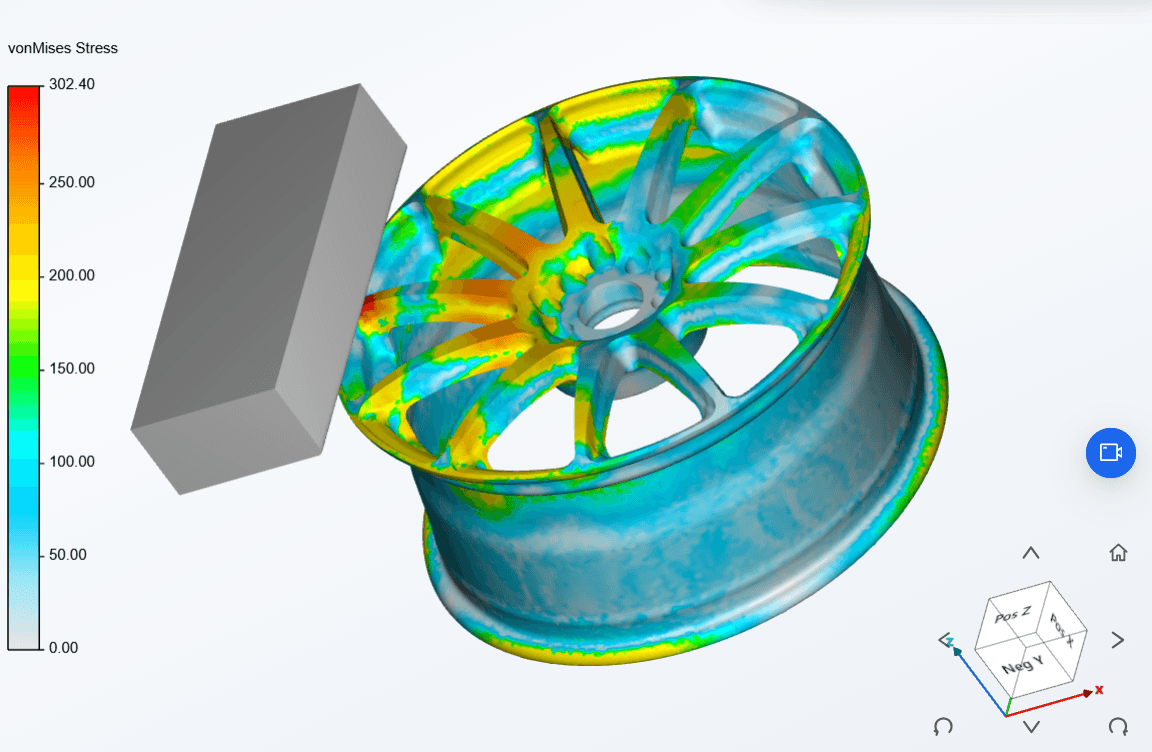
Impact Stress Contour
SYSTEM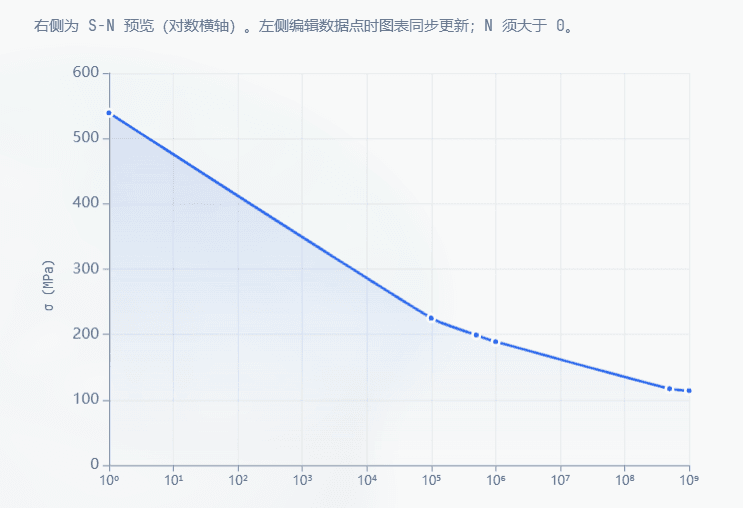
S-N Curve
SYSTEM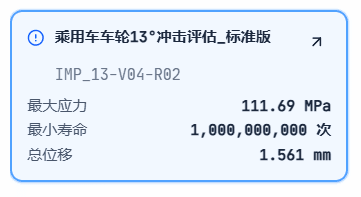
Assessment Result
SYSTEMEvidence decides whether to scale
Submit the Evidence
Run record / correlation / engineering review
Complete Acceptance Review
Compare results with the contract criteria
Capture the Task Package
Templates / parameters / rules / workflow
Scale What Passed
Reuse across wheel variants, vehicle programs, and validation teams
Revise Contract or Package
Update scope, inputs, methods, or acceptance rules, then rerun
06 | INDUSTRY WORKFLOWS
Keep domain logic intact while standardizing the problem, capability mix, and task package
Keep the domain knowledge. Reuse the engineering method.
From one-off simulation to a connected R&D loop
KEY ENGINEERING WORKFLOW
CAPABILITY MIX
Wheel 13° impact
ACCEPTANCE OUTCOME
Impact deformation and failure location correlate with test trends
TYPICAL ENGINEERING TASKS
From experience-driven processes to computation-led manufacturing
KEY ENGINEERING WORKFLOW
CAPABILITY MIX
Process-window optimization
ACCEPTANCE OUTCOME
Process windows and defect boundaries are reproducible and reusable
TYPICAL ENGINEERING TASKS
From condition monitoring to predictive maintenance and decision support
KEY ENGINEERING WORKFLOW
CAPABILITY MIX
Wind-turbine prediction
ACCEPTANCE OUTCOME
Detect risk earlier and make warnings and root-cause candidates reviewable
TYPICAL ENGINEERING TASKS
From dashboards to forecasting, warning, and scenario planning
KEY ENGINEERING WORKFLOW
CAPABILITY MIX
Basin flood prediction
ACCEPTANCE OUTCOME
Flood peaks, inundation extent, and dispatch outcomes are verifiable
TYPICAL ENGINEERING TASKS
Replicate task packages, connect workflows, and build evidence, methods, and capability with every run
Validated Task
Review engineering results, evidence, and business impact together
Stage Result
Turn one 13° impact task into a validated, repeatable loop
Scale Gate
Results, evidence, and business value meet the task-contract thresholds
Reusable Asset
Task contract, task package, and evidence
Reusable Task Class
Parameterize assets and inputs while reusing methods and acceptance rules
Stage Result
From one impact task to a wheel validation task class
Scale Gate
The task template is configurable and reproduces stable results across assets
Reusable Asset
Task templates, method assets, and acceptance rules
Connected Workflow
Connect upstream and downstream tasks through shared context and evidence
Stage Result
From task-class reuse to a wheel R&D validation workflow
Scale Gate
Tasks, data, and accountable roles connect continuously across the workflow
Reusable Asset
Shared context, task chain, and evidence chain
Capability Flywheel
Reuse, learn, and improve within explicit governance boundaries
Stage Result
From one workflow to controlled autonomous R&D
Scale Gate
Governance boundaries, feedback loops, and human checkpoints are complete
Reusable Asset
Shared knowledge, engineering methods, and decision logic
Prove the Value
Pass Acceptance Review
Review engineering results, evidence, and business impact together
Replicate Tasks
Build a Reusable Task Class
Parameterize assets and inputs while reusing methods and acceptance rules
Connect Tasks
Connect the Engineering Workflow
Connect upstream and downstream tasks through shared context and evidence
Build Compounding Capability
Operate the Capability Flywheel
Reuse, learn, and improve within explicit governance boundaries
Task Contract
Goal / boundary / criteria
AI Execution
Capability / tools / process
Engineering Evidence
Results / records / review
Validated Task Instance
Task contract / method / acceptance evidence
Task Templating
Input template / method flow / acceptance rules
Reusable Task Package
Object A · Object B · Project C
Multiple Task Packages
Trusted tasks / method templates / acceptance rules
Shared Context
Object · Data · Model · Evidence
Connected Task Chain
Orchestration / result handoff / cross-discipline work
Engineering Workflow Network
Task chains / engineering context / evidence chains
Capability Flywheel
Execute → Capture evidence → Update methods → Strengthen capability
Every Next Task Gets Better
Improve the quality and speed of each task that follows
Stage Result
Turn one 13° impact task into a validated, repeatable loop
Scale Gate
Results, evidence, and business value meet the task-contract thresholds
Reusable Asset
Task contract, task package, and evidence
Stage Result
From one impact task to a wheel validation task class
Scale Gate
The task template is configurable and reproduces stable results across assets
Reusable Asset
Task templates, method assets, and acceptance rules
Stage Result
From task-class reuse to a wheel R&D validation workflow
Scale Gate
Tasks, data, and accountable roles connect continuously across the workflow
Reusable Asset
Shared context, task chain, and evidence chain
Stage Result
From one workflow to controlled autonomous R&D
Scale Gate
Governance boundaries, feedback loops, and human checkpoints are complete
Reusable Asset
Shared knowledge, engineering methods, and decision logic
Every task that passes acceptance review becomes the starting point for the next cycle of reuse and improvement
NEXT | START WITH ONE PILOT
Define it, run it, review the evidence, then decide whether it is ready to scale
PILOT PATH
Choose a valuable, bounded problem
Set goals, inputs, constraints, and acceptance
Execute with the right assets and controls
Check results, process, and business impact
Scale the task or revise the package
READY TO START
STARTING INPUTS
FIRST OUTPUTS
Bring one real engineering problem. We will assess whether it is pilot-ready.