
YUANSUAN | ENGINEERING AI

Engineering AIBuilt for Real-World Engineering

One platform brings integrated modeling, full-domain exploration, and engineering intelligence together—turning complex work into runnable, verifiable, reusable capability

THE YUANSUAN SYSTEM
129Granted invention patents
10+High-value engineering scenario types validated
26Provincial-level regions
NationalSpecialized “Little Giant”
01WHAT IS ENGINEERING AI

Engineering AI strengthens every step of engineering problem-solving

It connects understanding, modeling, exploration, validation, and learning into a continuously improving engineering loop

Traditional CAECompute
General AICognition
Engineering AIFull Engineering Loop

FIVE STEPS IN ENGINEERING PROBLEM-SOLVING

The engineer

Defines the goal and owns engineering judgment

0—3 ENHANCEMENT
TECHNOLOGY ENHANCEMENTSwipe through five steps →
STEP 01Understand
STEP 01 / 05

System, conditions, goals, and constraints

Traditional CAE
Engineer-definedGoals and constraints remain engineer-defined
General-Purpose AI
Language and knowledge understandingFrames the problem and retrieves knowledge
Engineering AI
Engineering IntelligenceSemantics × geometry × physics × constraints
STEP 02Build the Model
STEP 02 / 05

Turn the real system into a model

Traditional CAE
Physics-first modelsStrong physics models with bounded representation
General-Purpose AI
Modeling concepts and code assistanceAssists modeling without physics constraints
Engineering AI
Integrated ModelingPhysics × data × AI modeling
STEP 03Explore Solutions
STEP 03 / 05

Compare and optimize candidates

Traditional CAE
Limited option comparisonManual points limit exploration
General-Purpose AI
Concept development supportGenerates ideas without convergence
Engineering AI
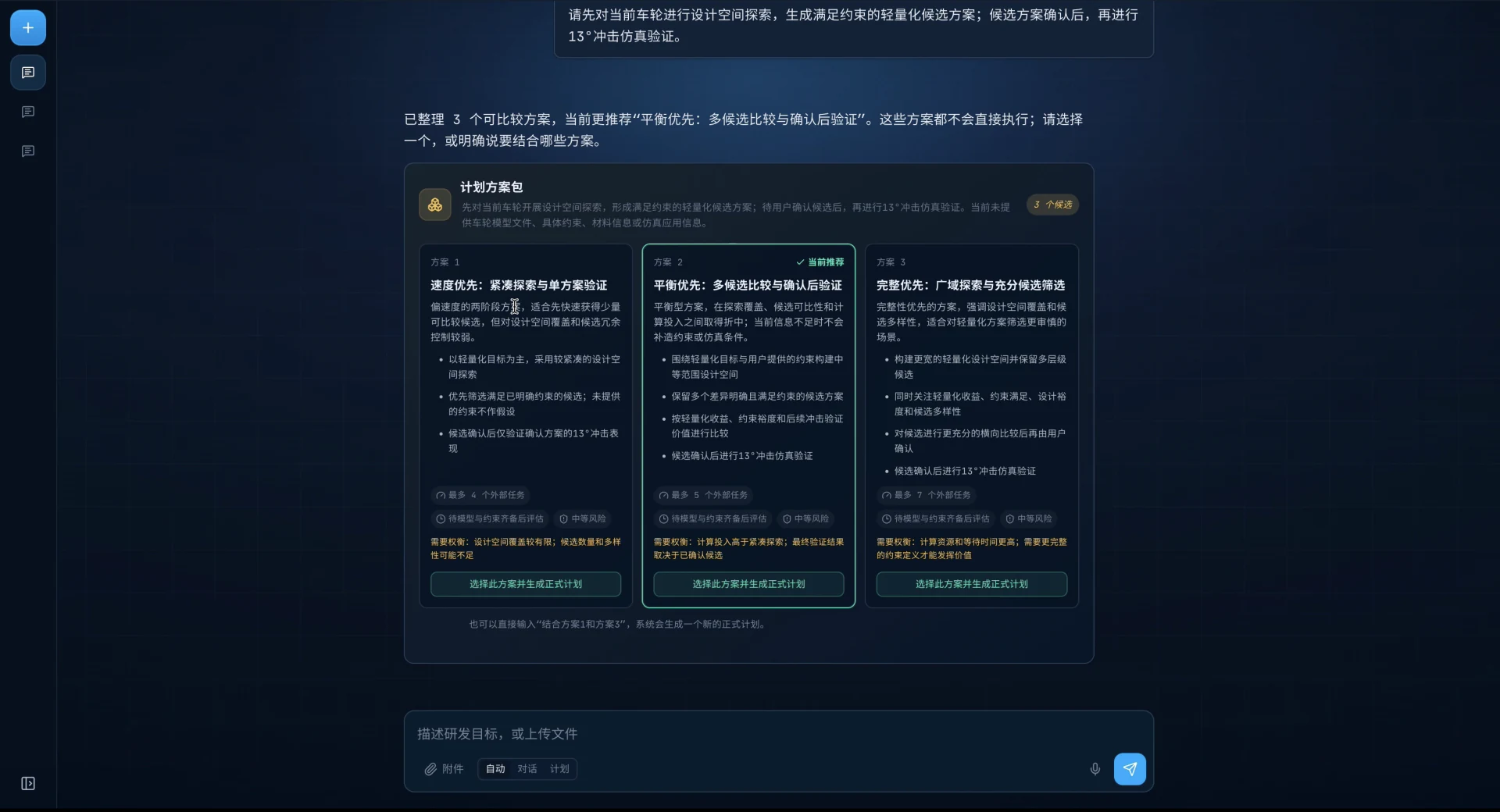
Design-Space ExplorationScaled exploration with directed convergence
STEP 04Execute & Validate
STEP 04 / 05

Verify results and form evidence

Traditional CAE
One-off simulation validationOne-off validation needs expert review
General-Purpose AI
Process and result explanationExplains results without evidence closure
Engineering AI
Three Core Systems in ConcertControlled execution × V&V × evidence
STEP 05Learn & Retain
STEP 05 / 05

Retain patterns, methods, and boundaries

Traditional CAE
Project-file archiveFiles archive; experience is hard to reuse
General-Purpose AI
Knowledge and case organizationOrganizes knowledge without validated limits
Engineering AI
Engineering IntelligenceSolutions × patterns × methods × boundaries

The engineer stays in control. Engineering AI connects all five steps.

02ENGINEERING AI PLATFORM

Three Core Systems and Engineering Trust Power the Five-Step Loop

Modeling creates computable modelsExploration finds better solutionsIntelligence frames problems and captures learningEngineering Trust spans the full process

UNIFIED ENGINEERING AI PLATFORM

Unified Engineering AI Platform

An engineer-led platform connecting tasks, data, models, knowledge, workflows, runtime environments, and evidence

ENGINEERING TRUST

Engineering Trust System

Bounded process. Evidenced results.

CONTROL PLANEThree systems execute engineering work in concert; the control plane defines boundaries, oversees execution, and validates resultsSpans all five steps
BOUNDARY CONTROLModel Limits
PROCESS OVERSIGHTControlled Runs
VALIDATIONV&VCredibility
EVIDENCE TRACEEvidence

Explore the Technology Platform

See how the three systems create models, find solutions, and execute work.

View Platform Architecture

04ENGINEERING AI VALUE SYSTEM

Four Engineering AI values embedded in critical engineering workflows

From R&D to operations, Engineering AI drives four outcomes: verify with confidence, design before freeze, predict before failure, and decide with simulation

Explore Engineering AI Solutions
DESIGN BEFORE FREEZE
01

Design Before Freeze

Explore earlier. Learn faster at lower cost.

Explore, compare, and validate more options before design freeze to reduce late changes and rework

TYPICAL OUTCOME

More options compared and validated before design freeze

VERIFY WITH CONFIDENCE
02

Verify with Confidence

Validate faster. Decide with confidence.

Unify models, analysis, tests, and runtime evidence in one traceable validation loop

TYPICAL OUTCOME

Faster validation with reproducible, reviewable conclusions

PREDICT BEFORE FAILURE
03

Predict Before Failure

Detect earlier. Act with more lead time.

Combine operating data and engineering models to identify trends, risks, and likely causes earlier

TYPICAL OUTCOME

Risk identified and localized before failure

DECIDE WITH SIMULATION
04

Decide with Simulation

Simulate more options. Choose the better action.

Simulate and compare candidate actions across complex constraints, multiple objectives, and uncertainty

TYPICAL OUTCOME

Critical actions simulated, checked, and compared before execution

05REAL-WORLD PROOF AND CAPABILITY CAPTURE

Prove it in real engineering. Keep what works.

Engineering AI earns trust through runnable tasks, review-ready evidence, and capability that can be reused—not through demos alone

Automotive & TransportationFeatured PracticeAnonymized Practice
FEATURED PROOF
01 / FEATURED PROOF

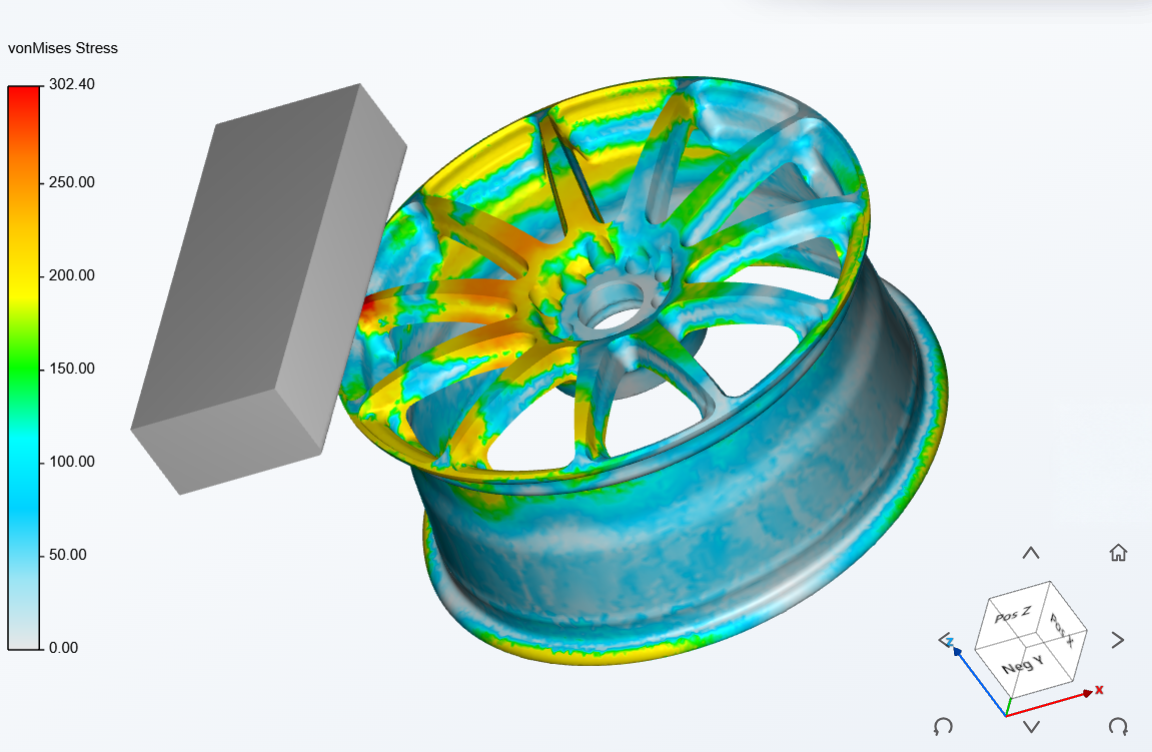
Trusted 13° Wheel-Impact Validation

ENGINEERING BOTTLENECK

Wheel impact, fatigue, and lightweight validation relies heavily on expert experience and physical testing, while test-to-digital-validation correlation and reporting criteria remain difficult to standardize

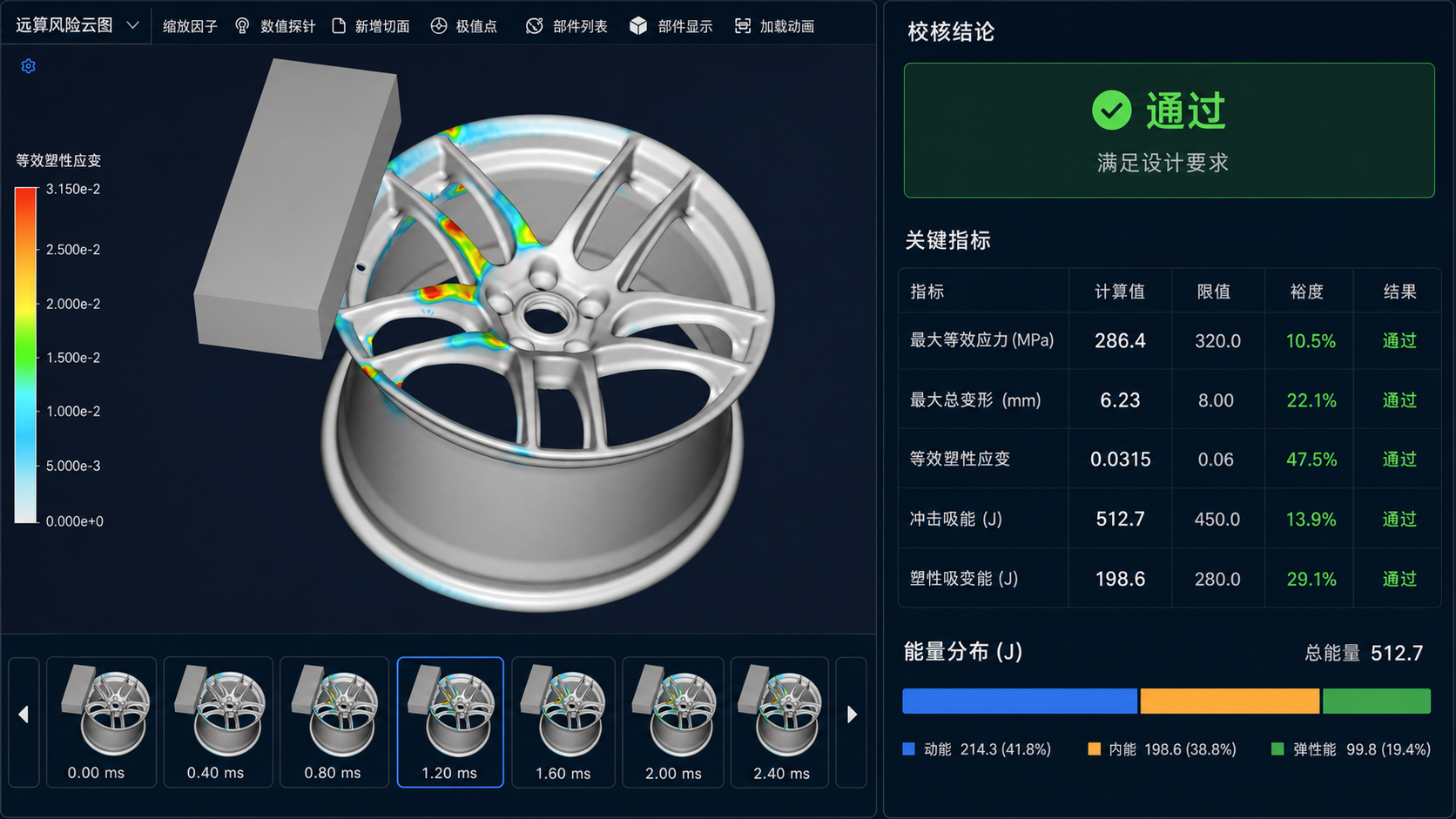
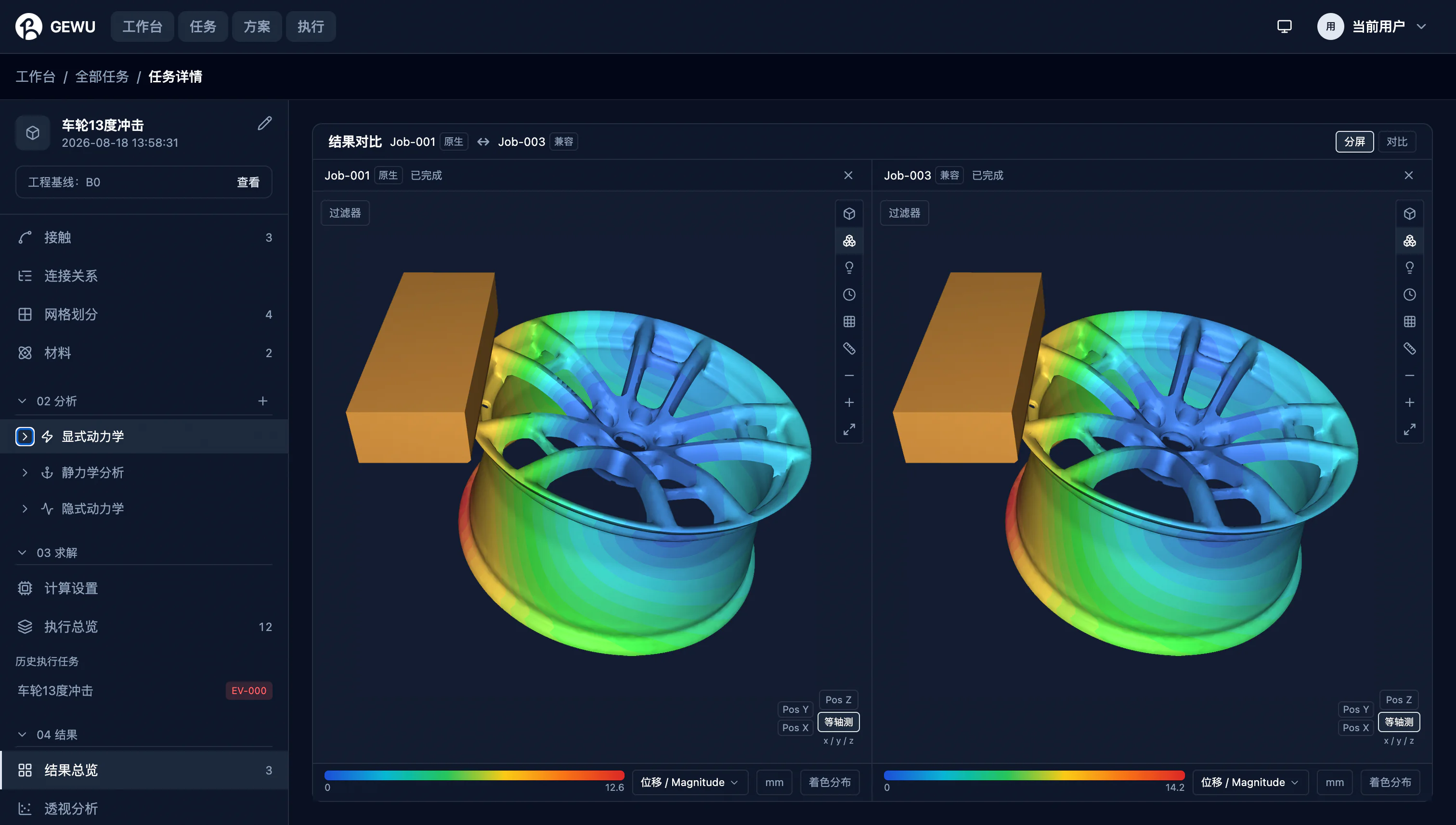
13-degree wheel-impact simulation result and engineering review interface
REAL SIMULATION RESULT
Test CorrelatedReview ReadyTraceable Run
Real Task01

13° workflow → standard task

Controlled Execution02

Boundaries and criteria → test correlation

Engineering Evidence03

Runs and reports → review-ready evidence

Capability Capture04

Proven method → task family

Non-experts can submit by template, reports can enter engineering review, and correlation records remain reviewableView Industry Practice
CAPABILITY COMPOUNDING PATH
DataModelsMethodsEvidence
01Engineering Task
02Task Family
03Runnable Capability
04Durable Enterprise Asset
Every engineering task should produce more than an answer. It should make the next task easier to run.See How Capability Compounds

06ENGINEERING AI PILOT

Start with one real engineering problem

Choose one bounded, valuable task with clear acceptance criteria. Use the first pilot to prove Engineering AI in your environment

CHOOSE YOUR STARTING POINT

FIRST PILOT DELIVERABLES

Task BoundaryRun RecordAcceptance EvidenceScale-up Plan
FOUR-STEP PILOTTASK × CAPABILITY × EVIDENCE
01Define the taskSet the outcome, inputs, constraints, and acceptance criteria
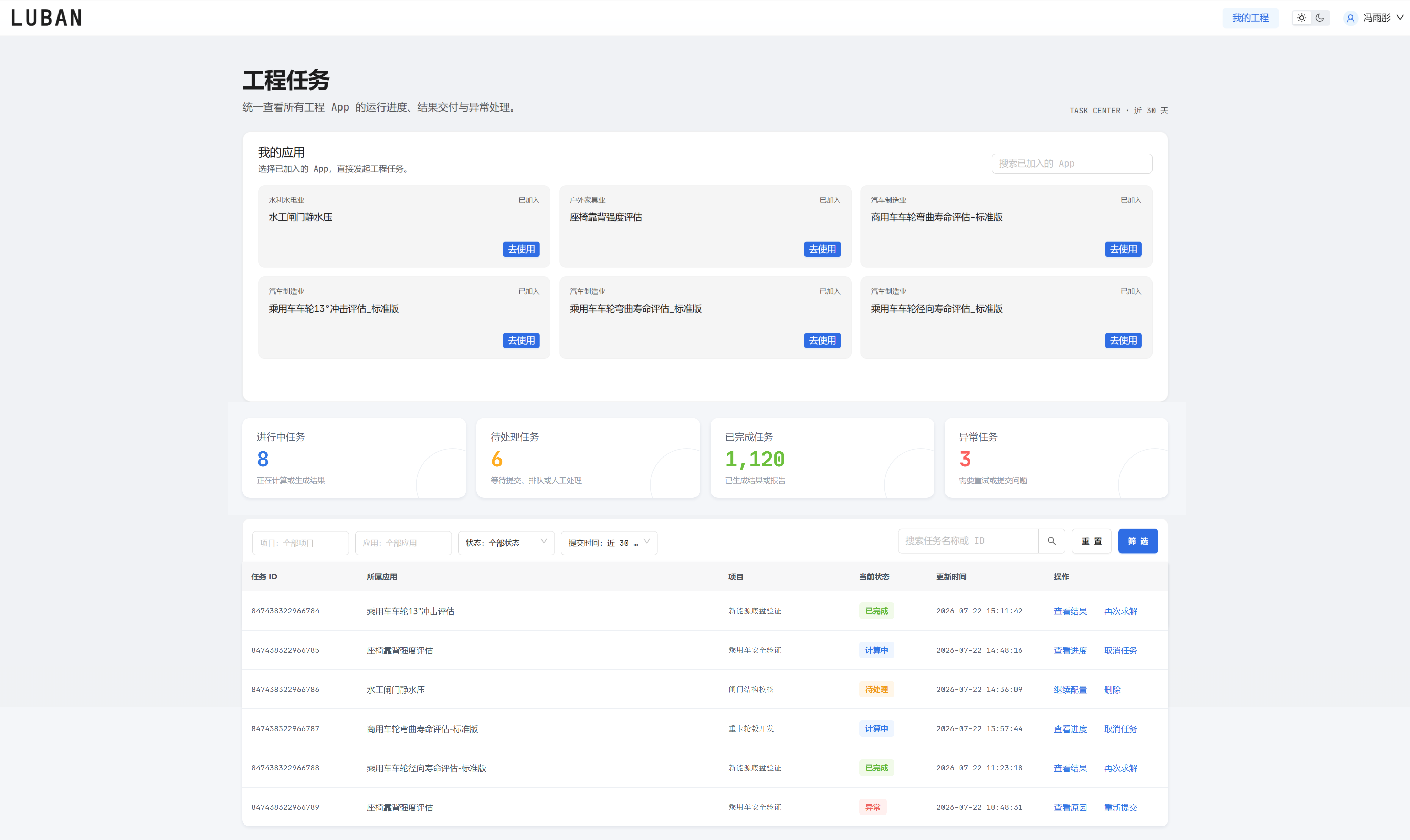
02Choose the interfaceUse GEWU, LUBAN, MOZI, or a solution path
03Build the pilotCreate a runnable, auditable engineering task
04Prove and scaleCapture evidence and identify the next task family